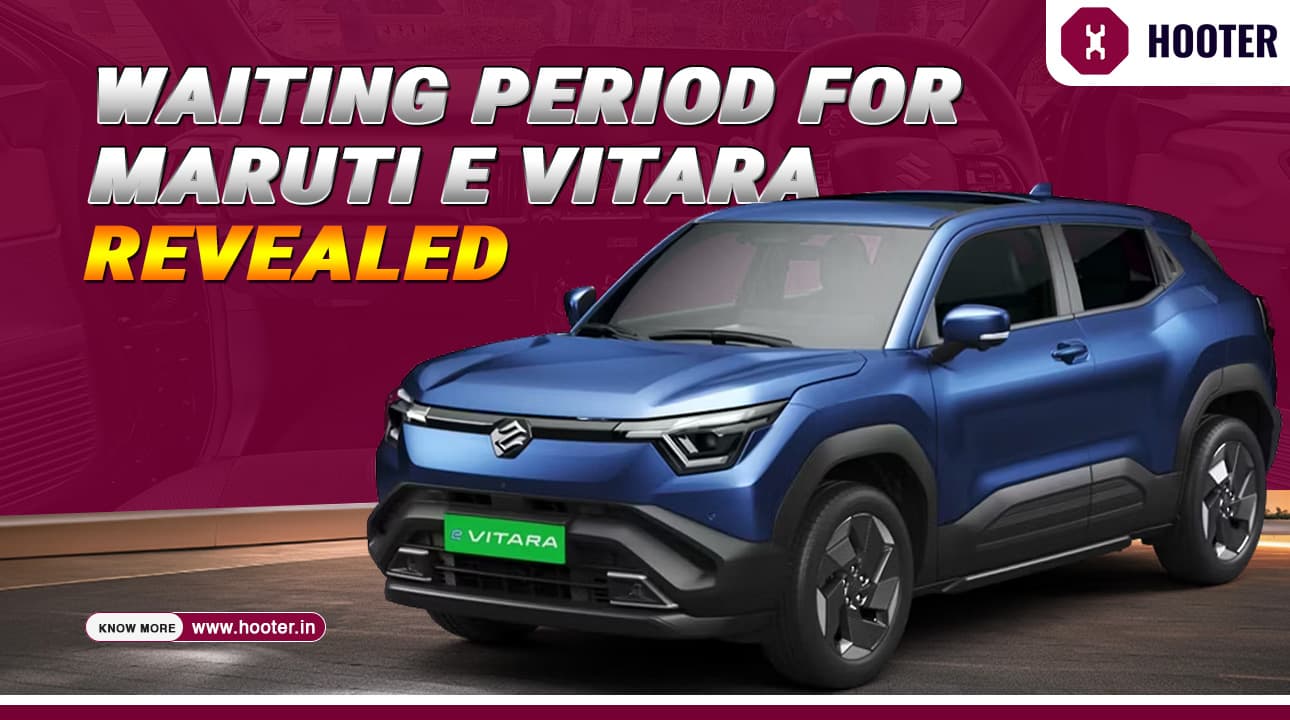
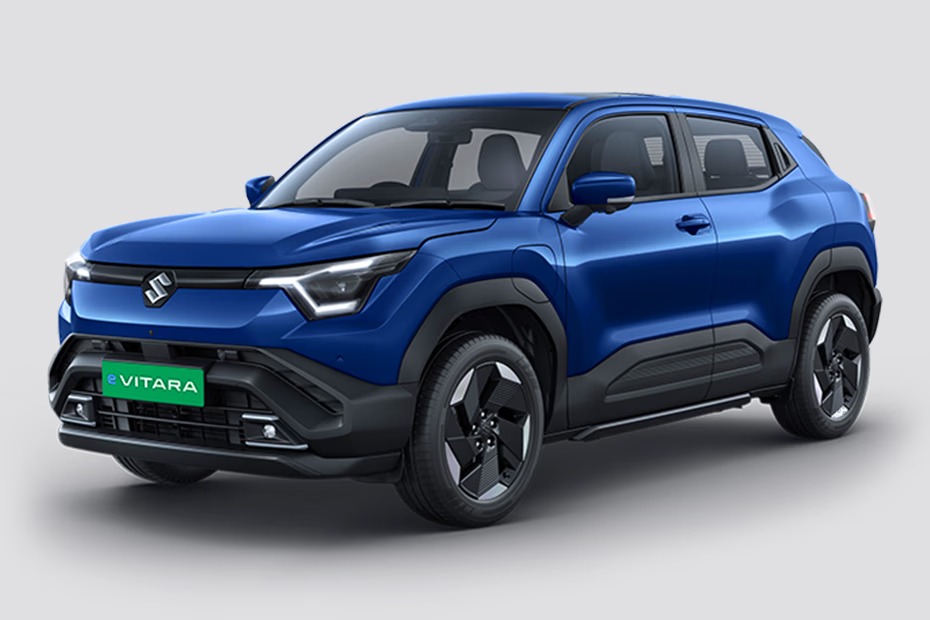
After over a year of anticipation since its debut at Auto Expo 2025, the Maruti Suzuki e-Vitara has finally entered the Indian car market. Launched on 17th February 2026, the Maruti Suzuki makes a grand entry into the EV segment.
While deliveries have started, Parthoo Banerjee, the Senior Executive Officer of the company, stated that the supply of the EV Variant will be limited in the initial phase of delivery (till July 2026). In this article, we'll tell you what you can do to get this car home without waiting.
Delivery and Waiting Periods
Despite high demand, the waiting period remains relatively consistent across the lineup. On average, buyers are looking at a 1.5 to 2-month wait (approximately 6 to 8 weeks).
- Variant Popularity: Surprisingly, the base-spec Delta trim is currently the most popular choice among buyers, outselling the higher-end Zeta and Alpha versions.
- Color Impact: Your choice of paint can change your delivery date. Opulent Red and Bluish Black are in high demand, pushing the wait toward 9 weeks. Other colors like Arctic White or Nexa Blue generally arrive closer to the 6-week mark.
Pricing Models: Standard vs. BaaS
Maruti is offering two ways to pay for the e Vitara, making it more accessible to different budgets.
| Pricing Type | Price Range (Ex-Showroom) | Key Detail |
|---|---|---|
| Full Purchase | ₹15.99 Lakh – ₹20.01 Lakh | Includes the cost of the battery. |
| BaaS (Battery-as-a-Service) | ₹10.99 Lakh – ₹14.51 Lakh | Lower upfront cost; pay for the battery per km. |
Technical Specifications
The e Vitara is built on two distinct battery setups to balance city driving and long-range touring.
1. The 49kWh Battery (Delta Trim)
- Performance: 144hp and 193Nm of torque.
- Range: An ARAI-rated 440km on a full charge.
2. The 61kWh Battery (Zeta & Alpha Trims)
- Performance: 174hp and 198Nm of torque.
- Range: A superior ARAI-rated 543km for longer journeys.
Potential Competitors And Why
The e Vitara enters a crowded field. It is currently competing for market share against established rivals and newcomers alike, including:
1. Tata Curvv EV (The Style Rival)
- Why it’s a rival: It is currently the segment leader in design and variety.
- The Catch: While the e Vitara is a traditional upright SUV, the Curvv EV uses a "Coupe-SUV" body style that attracts younger buyers. Tata also offers a massive 12.3-inch screen and a slightly higher top-end range (up to 585 km), making it the one to beat for tech and aesthetics.
+1
2. MG ZS EV (The Established Veteran)
- Why it’s a rival: It was one of India's first successful electric SUVs and has a proven track record.
- The Catch: The ZS EV is known for its premium interior quality and soft-touch materials. Even though it is an older model, its motor produces more torque (280Nm) than the e Vitara (193Nm), giving it better "punch" or acceleration, which performance-oriented buyers prefer.
3. Hyundai Creta Electric (The Brand Battle)
- Why it’s a rival: It is the electric version of India’s best-selling SUV, the Creta.
- The Catch: This is a battle of the giants. Maruti and Hyundai have the two largest service networks in India. The Creta EV appeals to those who want the familiarity and comfort of a Creta but with an electric heart. It also features a more "luxurious" cabin with a panoramic sunroof, which the e Vitara lacks.
4. Mahindra BE 6 (The Performance Choice)
- Why it’s a rival: It is a "Born Electric" SUV, meaning it was designed as an EV from the ground up, just like the e Vitara.
- The Conflict: The BE 6 focuses on raw power. It features a Rear-Wheel Drive (RWD) setup and a massive 79kWh battery option in higher trims. If the e Vitara is the "sensible" choice, the Mahindra BE 6 is the "sporty" choice with much faster acceleration and a futuristic "cockpit" interior.
5. MG Windsor EV (The Value King)
- Why it’s a rival: It pioneered the BaaS (Battery-as-a-Service) model that Maruti is now using.
- The Catch: The Windsor EV is the e Vitara's biggest threat in terms of space and price. It offers a "Lounge" like rear seat experience with massive legroom. Since both cars use the BaaS model to keep prices low, they are fighting for the same budget-conscious customers who want a big car without the high upfront cost.