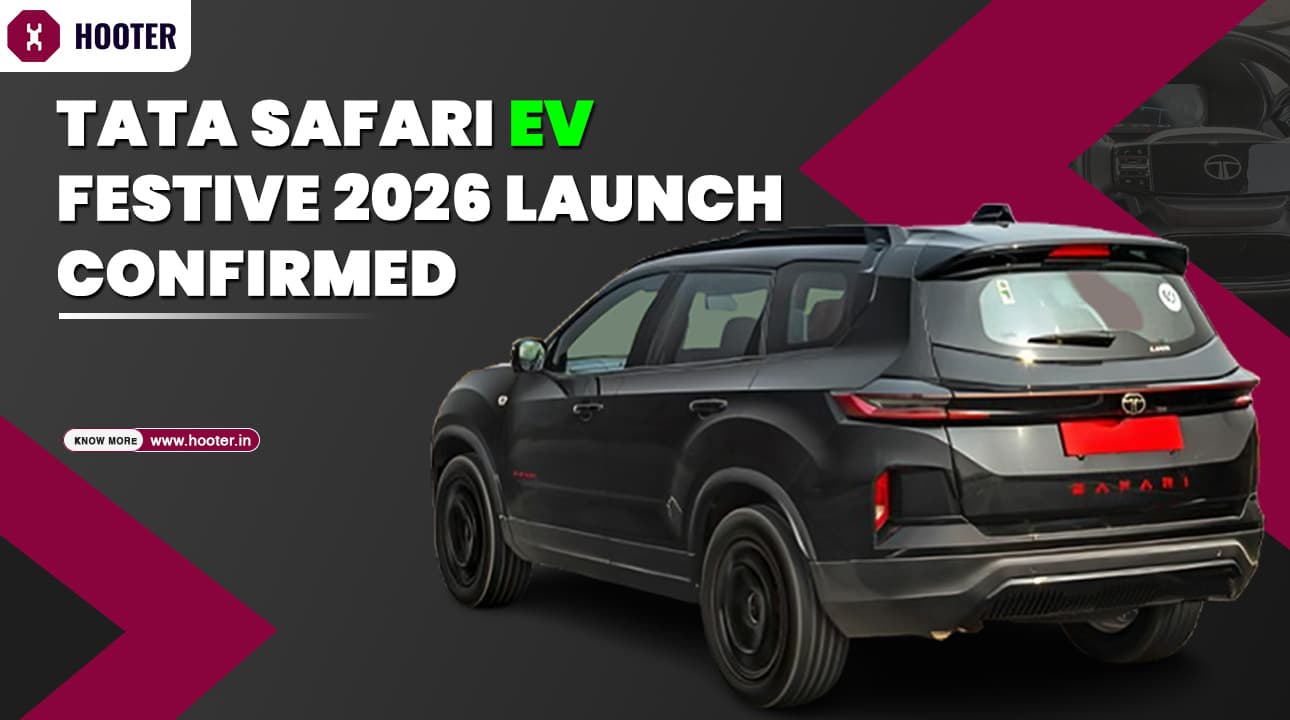
Tata Motors is preparing to elevate its electric vehicle portfolio with the upcoming launch of the Safari EV, scheduled to hit the Indian market during the 2026 festive season. Positioned as the brand’s new flagship electric SUV, it will surpass the Harrier EV in the lineup and marks a significant milestone as Tata’s first-ever three-row electric vehicle. This launch is particularly strategic, as it completes the company’s goal of offering an electric counterpart for every SUV in its current stable.
Platform and Performance Capabilities
Under the hood—or more accurately, under the floor—the Safari EV (internally known as 'Tayrona') utilizes the acti.ev+ architecture. While this platform is an evolution of internal combustion engine (ICE) underpinnings rather than a "born-EV" design, it brings sophisticated capabilities to the large SUV. Buyers can expect the same battery options found in the Harrier EV: a 65kWh unit and a larger 75kWh pack. While Rear-Wheel Drive (RWD) will likely be the standard configuration, a dual-motor All-Wheel Drive (AWD) setup is anticipated for the larger battery variant, providing the Safari with genuine off-road credentials.
Range and Charging Expectations
Because the Safari is larger and heavier than the Harrier, its official range figures may sit slightly below its sibling's impressive benchmarks. For context, the Harrier EV claims an ARAI range of up to 627km. To keep drivers moving on long journeys, the Safari EV is expected to support 100kW DC fast charging. Performance is further bolstered by an advanced multi-link rear suspension and frequency-dependent dampers, designed to maintain a premium ride quality despite the added weight of the battery packs.
Design and Digital Innovation
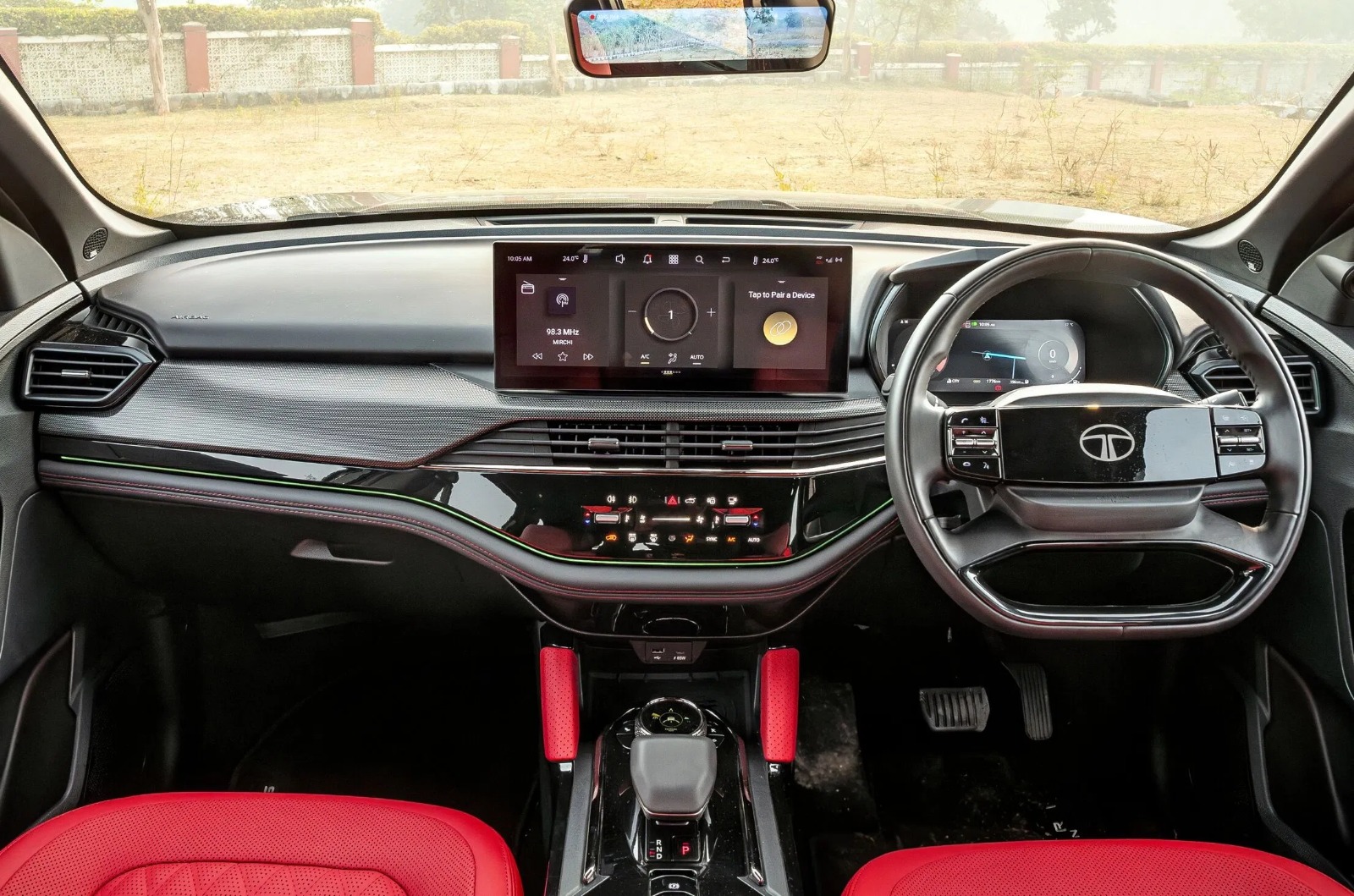
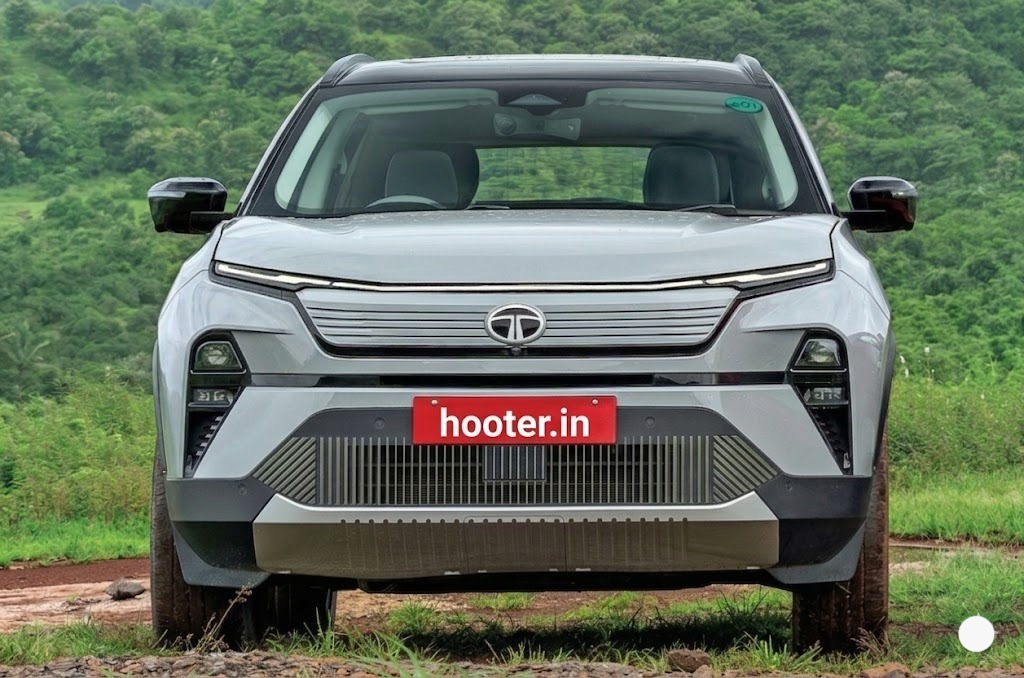
Visually, the Safari EV will maintain the familiar silhouette of its diesel and petrol siblings but will adopt signature "electric" flourishes. These include a closed-off front grille, aerodynamic alloy wheels, and revised bumper designs. The real transformation, however, happens within the cabin. By adopting the TiDAL (Tata Intelligent Digital Architecture Layer), the SUV will offer high-tech features such as:
- Over-the-air (OTA) software updates.
- A 540-degree surround-view camera system.
- Enhanced Level 2 ADAS and auto-park assist.
- Specialized off-road assists and a "summon mode" for tight parking spots.
Market Positioning and Launch
Production is slated to begin in August 2026, paving the way for a high-profile launch during the peak shopping season. Tata expects the Safari EV to contribute an additional 1,000 to 1,500 units to its monthly sales volume. In terms of competition, it is heading for a direct showdown with the Mahindra XEV 9S. Potential buyers should expect a price bracket ranging between Rs 22.5 lakh and Rs 30 lakh, placing it just above the Harrier EV and solidifying its status as the pinnacle of Tata’s green mobility ambitious.