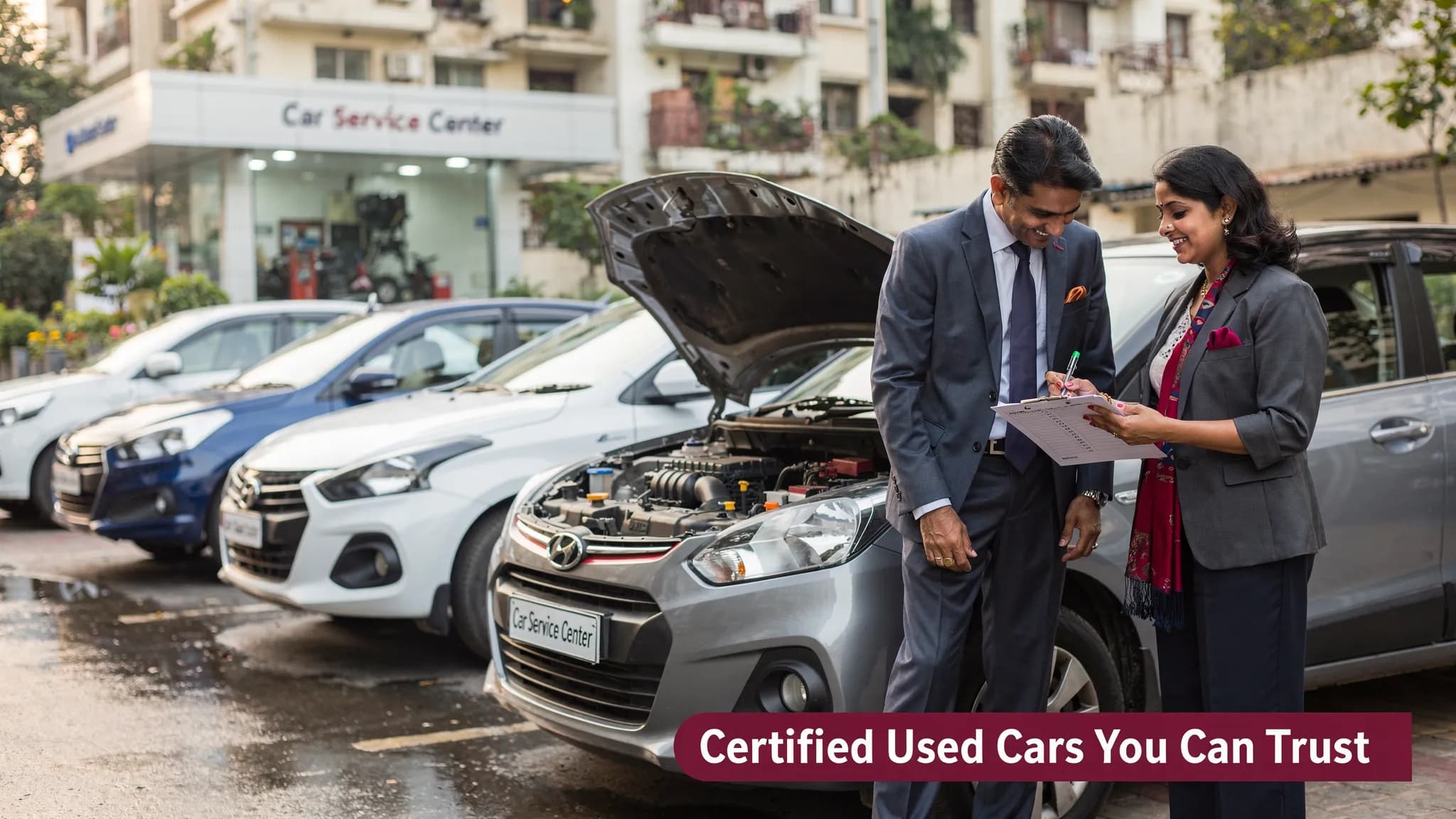
Buying an easy-to-maintain used car is often smarter than chasing the newest design, biggest screen or most powerful engine. For Indian families, first-time buyers and daily commuters, the real cost of ownership starts after the purchase: service bills, spare parts, tyres, insurance, fuel and unexpected repairs.
That is why many buyers searching for second hand cars in India prefer models that are common, reliable and simple to repair. A well-kept Maruti, Hyundai, Honda, Tata or Toyota can often deliver years of dependable use, provided you inspect it properly and choose the right variant.
This guide breaks down the used cars that are generally easier to maintain in India, what makes them practical, and how to avoid expensive mistakes before you buy.
What makes a second hand car easy to maintain?
An easy-to-maintain car is not just a car with cheap parts. It is a car that has predictable ownership costs, wide service support and fewer complicated components that can fail as the vehicle ages.
For the Indian used-car market, these factors matter the most:
- Wide service network: Cars from brands with strong reach are easier to service in metros, tier-2 cities and smaller towns.
- Easy spare parts availability: Popular models usually have better genuine and aftermarket parts supply.
- Simple mechanicals: Naturally aspirated petrol engines and manual gearboxes are usually easier to maintain than complex turbo, hybrid or performance setups.
- Strong resale demand: Popular cars are easier to sell later and usually hold value better.
- Known reliability record: Cars that have been on Indian roads for years often have predictable repair patterns.
- Clear service history: Even a reliable model can become expensive if it has missed oil changes, accident repairs or poor-quality work.
The biggest rule is simple: the condition of the specific car matters more than the badge. A clean, regularly serviced hatchback is usually a better buy than a premium SUV with missing records.
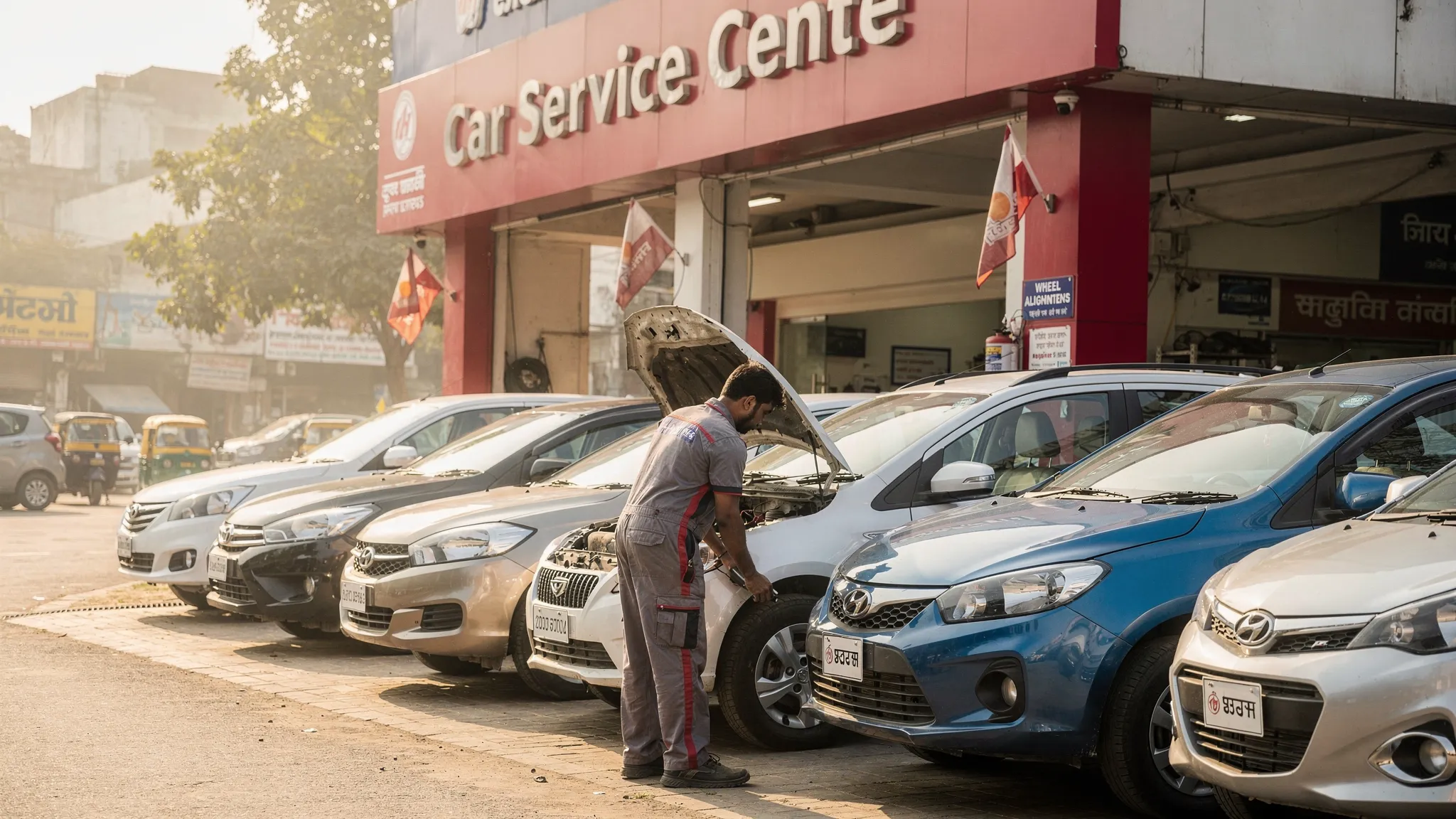
Best second hand cars in India for low-maintenance ownership
The following cars are popular choices because they combine reliability, service access, spare parts availability and practical running costs. They are not ranked, because the best option depends on your budget, city, usage and the condition of the vehicle.
| Used car | Segment | Best powertrain for simple ownership | Why it is easy to maintain | What to check before buying |
|---|---|---|---|---|
| Maruti Suzuki Alto K10 or Alto 800 | Entry hatchback | Petrol or CNG manual | Simple, common, fuel efficient and inexpensive to repair | Clutch wear, AC cooling, accident repair and rust |
| Maruti Suzuki WagonR | Tall hatchback | Petrol or CNG manual, AMT if well serviced | Excellent parts support, practical cabin and high resale demand | Suspension noise, CNG paperwork and steering feel |
| Maruti Suzuki Swift | Hatchback | 1.2 petrol manual or AMT | Popular, reliable, easy to service and fun to drive | Hard driving signs, clutch condition and tyre wear |
| Maruti Suzuki Dzire | Compact sedan | Petrol manual or AMT | Shares parts with Swift and has strong service support | Taxi usage, rear suspension and service records |
| Maruti Suzuki Baleno or Toyota Glanza | Premium hatchback | Petrol manual, AMT or CVT with records | Spacious, efficient and widely supported | Body panel quality, CVT service history and electronics |
| Hyundai Grand i10 or Grand i10 Nios | Hatchback | Petrol or CNG manual, AMT if maintained | Strong Hyundai service network and comfortable city use | Steering, suspension, AC performance and clutch |
| Hyundai i20 | Premium hatchback | 1.2 petrol manual or IVT | Premium cabin, good parts support and refined engine | Turbo or DCT service history, tyres and electronics |
| Tata Tiago or Tigor | Hatchback or compact sedan | Petrol or CNG manual | Value-focused, sturdy and increasingly common | Clutch, electricals, service history and cabin wear |
| Honda Amaze | Compact sedan | Petrol manual or CVT | Practical, reliable and comfortable for families | CVT fluid history, suspension and underbody damage |
| Honda City | Sedan | Petrol manual or CVT | Durable engine, premium cabin and strong used demand | Suspension, low-ground-clearance damage and records |
| Maruti Suzuki Ertiga | MPV | Petrol or CNG manual, automatic if documented | Family-friendly, widely used and parts are easy to source | Commercial use, clutch, tyres and CNG condition |
| Toyota Innova Crysta | MPV | Diesel manual or automatic with full records | Mechanically strong and trusted for long-distance use | Injectors, turbo, suspension, tyres and high-mileage wear |
Which segment should you choose?
For tight budgets, hatchbacks make the most sense
If your main goal is low maintenance, start with hatchbacks. Alto, WagonR, Swift, Grand i10, Tiago and Celerio are easy to drive in traffic, simple to park and usually cheaper to service than sedans and SUVs.
Hatchbacks are ideal for students, young professionals, small families and city commuters. They also use smaller tyres, smaller batteries and simpler suspension setups, which helps keep recurring expenses under control.
For family use, compact sedans are a smart middle ground
Cars like the Dzire, Amaze, Tigor and City offer more boot space and better highway comfort without becoming as costly to maintain as larger SUVs. If you regularly travel with family or luggage, a compact sedan can be a more balanced option than a small hatchback.
The Dzire and Amaze are especially practical in the used market because they are popular, efficient and widely understood by independent garages. The Honda City costs more to maintain than an Alto or WagonR, but a well-kept petrol City can still be a dependable long-term car.
For seven seats, choose carefully
If you need a 7-seater, the Ertiga is usually the more budget-friendly pick, while the Innova Crysta is the durability-focused choice for buyers with a higher budget. Both are popular in India, but you must be extra careful about previous commercial use.
Many MPVs spend their lives as taxis or high-mileage fleet vehicles. That does not automatically make them bad, but it does mean you should check service records, tyre wear, seat condition, suspension noise and odometer consistency more carefully.
For occasional luxury travel, ownership may not be worth it
Not every transport need requires buying a car. If a vehicle will be used only for rare premium occasions, events or airport transfers, hiring can sometimes be more practical than owning a high-maintenance luxury car. For instance, travellers in the US often use a nationwide luxury transportation service for chauffeured airport transfers, corporate trips and events instead of owning a luxury vehicle for occasional use.
For daily Indian commuting, however, a reliable used hatchback, sedan or MPV is usually the more sensible long-term choice.
Petrol, CNG, diesel or EV: which is easiest to maintain?
Fuel type plays a major role in maintenance. The cheapest option to buy is not always the cheapest to own.
| Fuel type | Best suited for | Maintenance advantage | Watch-out |
|---|---|---|---|
| Petrol | City driving and moderate monthly running | Simple, refined and generally easier to maintain | Fuel cost can be higher than CNG for heavy users |
| CNG | High city usage and predictable routes | Lower running cost and popular in many cities | Check CNG kit approval, cylinder health and boot space loss |
| Diesel | Highway use and high monthly kilometres | Strong torque and good long-distance efficiency | Older diesels can face higher repair costs, age restrictions and injector or turbo issues |
| EV | City commuting with home or workplace charging | Fewer moving parts and low routine service needs | Battery health, warranty status and charging access are critical |
For most used-car buyers who want easy maintenance, a petrol manual is the safest default choice. CNG is great if your daily running is high and the car has a properly documented factory or approved kit. Diesel makes sense only when your usage justifies it and the car has a clear service history.
Used EVs can be attractive, but they need a different inspection approach. Battery health, remaining warranty, charging behaviour and software updates matter more than oil changes or clutch wear.
Manual vs automatic: what is easier to maintain?
A manual gearbox is usually the simplest and cheapest to repair, but Indian traffic has made automatics very popular. If you want an automatic used car, do not avoid it blindly. Just choose the right type and inspect it properly.
AMT cars such as the WagonR AMT, Swift AMT or Dzire AMT can be practical and relatively affordable to maintain, though they may feel jerky compared to smoother automatics. CVTs in cars like the Honda Amaze, Honda City and some Hyundai or Maruti models can be smooth and reliable if serviced correctly.
Be more cautious with older dual-clutch automatics, especially if the car has been driven mostly in heavy stop-go traffic. These can be enjoyable to drive but may cost more if the gearbox or clutch pack needs work.
How to inspect an easy-maintenance car before paying
Even the easiest model can become a headache if the previous owner ignored maintenance. Before finalizing any deal, use a structured inspection process. Hooter has a detailed used car buying checklist that can help you evaluate the car step by step.
Here are the key checks to prioritize:
| Check | Why it matters | Red flag |
|---|---|---|
| Service history | Proves regular maintenance and helps verify mileage | Missing records, long service gaps or unclear invoices |
| RC, insurance and PUC | Confirms legal ownership and roadworthiness | Name mismatch, expired documents or duplicate papers without explanation |
| Loan and challan status | Prevents legal and transfer issues | Pending hypothecation, unpaid fines or seller avoiding verification |
| Cold start | Reveals engine health better than a warmed-up car | Excess smoke, rough idle or abnormal knocking |
| Engine oil and coolant | Shows maintenance quality and possible leaks | Milky oil, low coolant or oil around engine bay |
| Tyres and brakes | Directly affect safety and immediate expenses | Uneven wear, old tyres, vibration or weak braking |
| Suspension | Important for Indian roads | Clunks, bouncing, pulling to one side or uneven ride height |
| AC and electricals | Repairs can be annoying and costly | Weak cooling, warning lights or malfunctioning switches |
| OBD scan | Helps detect hidden electronic faults | Cleared codes, recurring errors or refusal to scan |
| Test drive | Confirms real driving condition | Gear slip, overheating, steering pull or unusual noise |
You can verify vehicle registration details through the official VAHAN and Parivahan portal and check unpaid fines through the eChallan portal. These checks are especially important when buying from an individual seller.
For a deeper maintenance routine after purchase, read Hooter’s guide on essential car maintenance tips.
Cars and variants to be careful with if maintenance is your top priority
Some used cars may look tempting because their resale price has dropped sharply, but they can still be expensive to maintain. Be careful with:
- Rare imported or low-volume models: Parts may be expensive or slow to source.
- Old luxury cars: Purchase prices fall, but suspension, electronics, tyres and insurance can remain costly.
- Heavily modified cars: Engine remaps, oversized wheels, aftermarket CNG kits and poor wiring can create reliability issues.
- High-mileage diesel SUVs without records: Turbo, injector, clutch, DPF and suspension repairs can be expensive.
- Performance variants with unclear service history: Turbo-petrol and dual-clutch cars need proper care.
- Flood-affected or accident-repaired cars: Electrical and structural problems may appear months later.
A cheap deal is not always a good deal. If your goal is peace of mind, pay slightly more for a clean car with documented maintenance.
Used-car buying tips for lower maintenance costs
The smartest buyers look beyond the asking price. Before you shortlist a car, estimate what you may need to spend in the first 3 to 6 months. Used cars often need immediate work such as tyres, battery, fluids, brake pads, wipers, alignment or insurance renewal.
Also check whether the model is still supported by the manufacturer and whether independent garages in your city can service it confidently. A car that is easy to maintain in Delhi, Mumbai, Pune or Bengaluru may not be equally convenient in a smaller town if the service network is limited.
When comparing listings, focus on total ownership value:
- Buy the newest, cleanest example you can afford instead of the highest variant.
- Prefer single-owner cars with full records.
- Avoid cars with inconsistent odometer readings.
- Choose common tyre sizes and standard variants for cheaper replacements.
- Confirm insurance transfer, RC transfer and PUC validity before delivery.
If you are unsure about paperwork, Hooter’s insurance document checklist can help you understand the documents commonly required for insurance purchase or renewal.
How Hooter helps you find easier-to-maintain used cars
Hooter is built for Indian used-car buyers who want transparency before they purchase. You can discover and compare verified used car listings across different brands, body types and budgets, making it easier to shortlist practical models rather than jumping between multiple sources.
If you are buying your first car, upgrading from a two-wheeler or replacing an old family car, use Hooter to compare prices, check available options and narrow your search to cars that match your budget and maintenance expectations. You can start by exploring used cars on Hooter and comparing models before visiting a dealer or booking a test drive.
Frequently Asked Questions
Which second hand car has the lowest maintenance in India? Popular Maruti Suzuki models such as Alto, WagonR, Swift and Dzire are among the easiest to maintain because of wide service support, strong parts availability and simple mechanicals. However, the actual condition of the car matters more than the model name.
Is a used petrol car easier to maintain than a diesel car? In most cases, yes. Petrol cars are usually simpler, smoother and cheaper to maintain for city and moderate usage. Diesel cars can be efficient for highway driving, but older diesels may bring higher repair costs and local age restrictions.
Are automatic second hand cars expensive to maintain? Not always. AMT and CVT cars can be practical if they have proper service records and a smooth test drive. Be more cautious with older dual-clutch automatics or any car showing jerks, slipping, overheating or warning lights.
Should I buy a used CNG car? A used CNG car can be a good choice if your running is high and the CNG kit is factory-fitted or properly approved. Check the CNG documents, cylinder condition, leak test history and overall engine health before buying.
What is more important: brand or service history? Service history is more important. A reliable brand with poor maintenance can still create expensive problems, while a well-maintained car from a common brand can offer years of dependable ownership.
Should I buy from a dealer or a private seller? Both can work, but verified dealer listings can offer more structure and transparency. Private sellers may offer better prices, but you must be extra careful with document checks, payment safety and ownership transfer.
Find an easy-to-maintain used car with Hooter
The best second hand cars in India are not always the flashiest ones. For stress-free ownership, prioritize popular models, clean service records, simple engines and verified paperwork.
With Hooter, you can compare used cars across budgets, explore verified dealer listings and make a more confident purchase decision. Start with practical, easy-to-maintain models and choose the car that fits your daily life, not just your wish list.