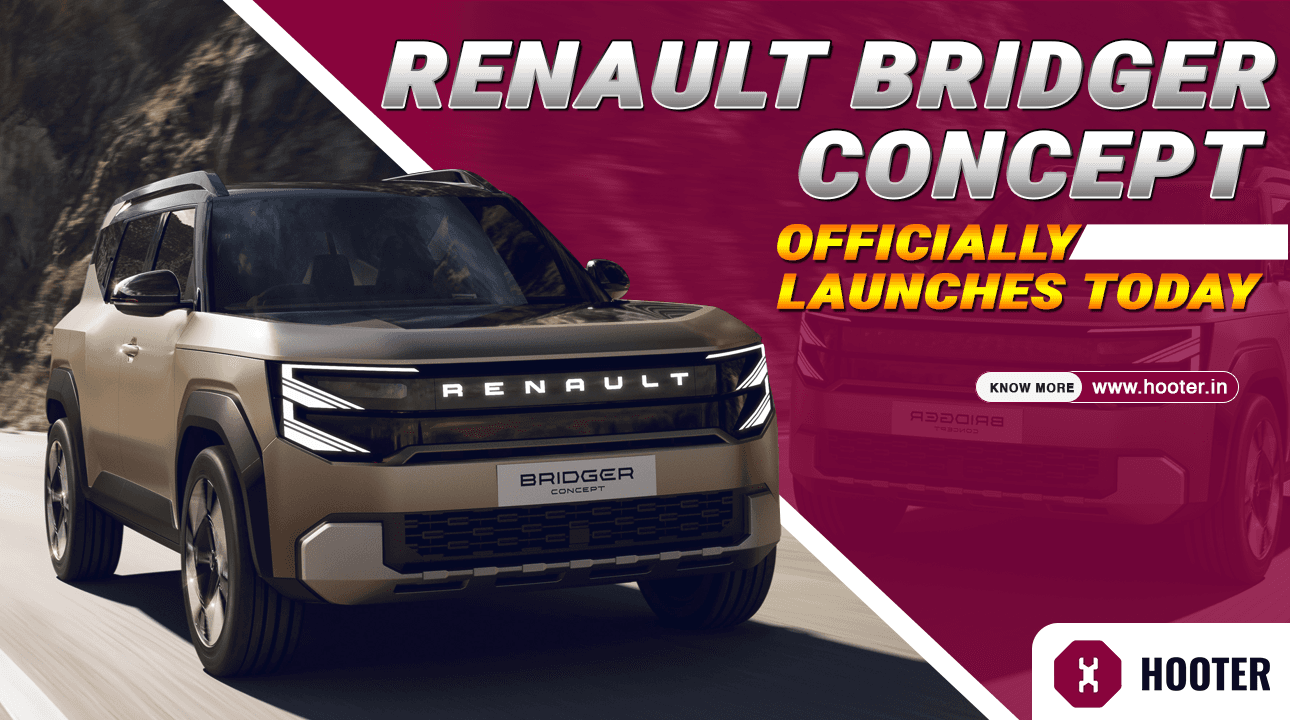
Renault has officially pulled the covers off its latest creation, the Bridger concept, signalling a major shift in how the brand approaches the sub-four-meter SUV segment. This isn't just another compact car; it’s a rugged, high-riding preview of a production model set to arrive in India by the end of 2027. Positioned strategically between the budget-friendly Kiger and the legendary Duster, the Bridger is designed to be the backbone of Renault’s global expansion, with India serving as both its birthplace and its primary export hub.
Rugged Design and Smart Engineering
At first glance, the Bridger stands out with its "butch" and boxy proportions. Despite its compact footprint, it looks significantly more aggressive than its predecessors. The front end is dominated by a blacked-out grille featuring illuminated ‘RENAULT’ lettering and blade-like LED lights that give it a futuristic, high-tech face.
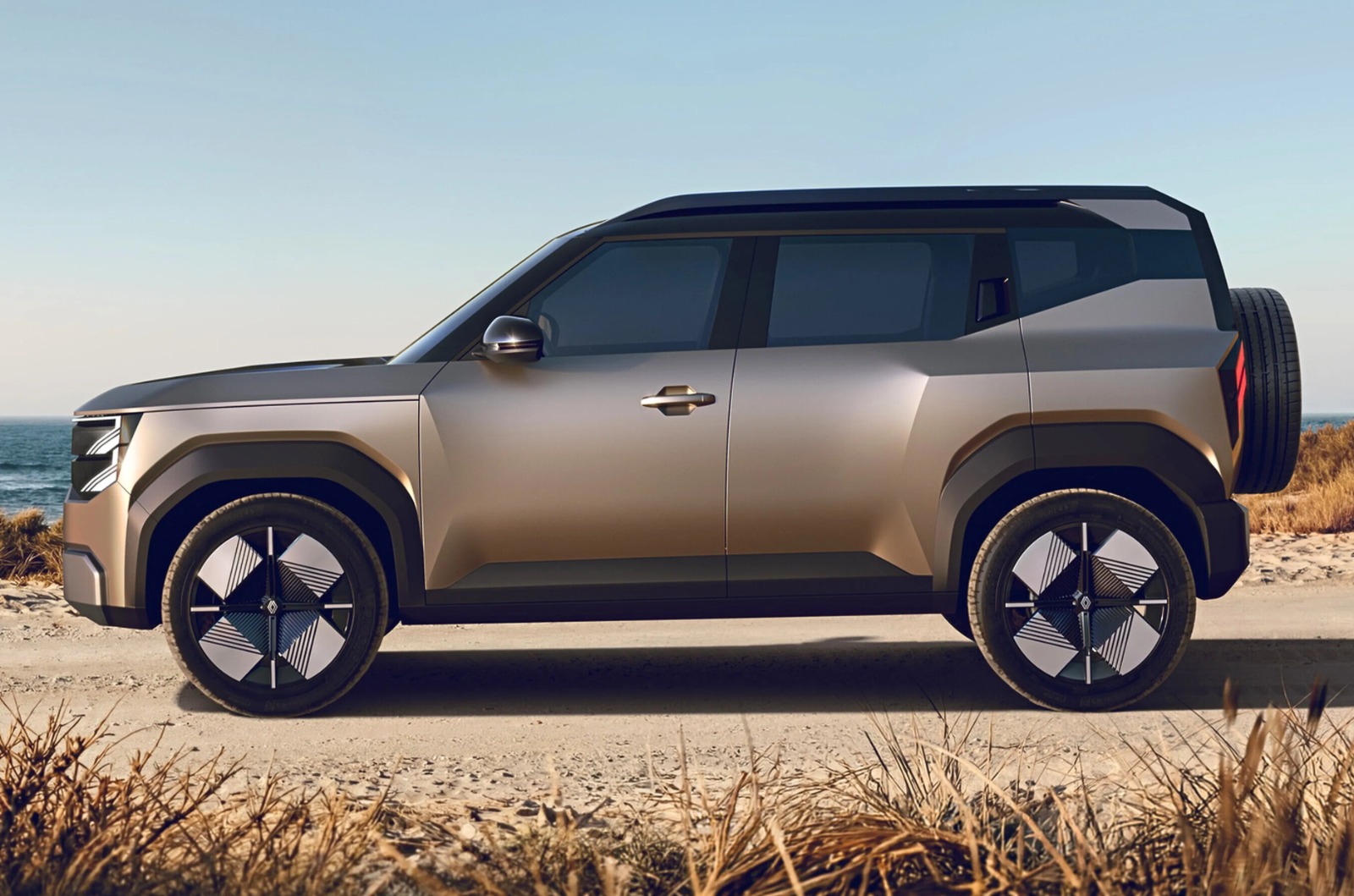
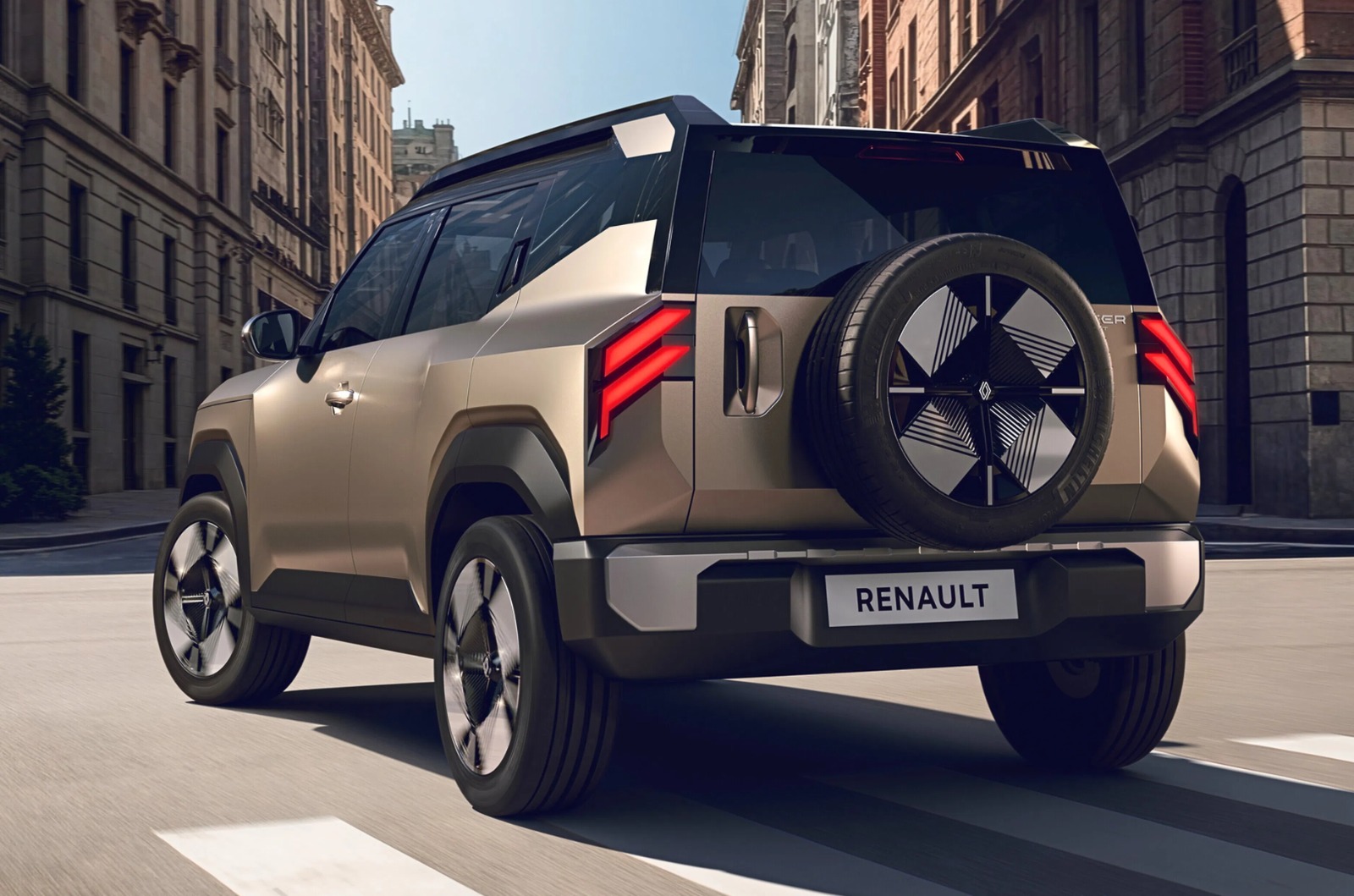
The side profile tells a story of adventure, featuring 18-inch wheels, squared-off fenders, and a generous 200mm of ground clearance. One of the most talked-about features is the rear-mounted spare wheel, a classic SUV trait that has largely disappeared from modern compact crossovers but makes a triumphant return here. This, combined with a vertical door handle hinting at a side-opening tailgate, gives the Bridger a distinct "lifestyle" SUV vibe similar to off-road icons.
A New Standard for Interior Space
While Renault is keeping the final dashboard design under wraps for now, they are making bold claims about what’s inside. The Bridger is built on the new R-GMP platform, which has been engineered to maximize every inch of space. Renault promises an "exceptional" cabin experience, boasting a class-leading 200mm of rear knee room. Practicality hasn't been forgotten either; the boot offers 400 liters of storage, outclassing current segment leaders like the Kia Syros and ensuring that this compact SUV is more than capable of handling family road trips.
How the Bridger Reinvents the Compact SUV
What truly sets the Bridger apart from the current crop of SUVs, such as the Maruti Brezza and Tata Nexon, is its "Multi-Energy" DNA. Unlike many competitors that were originally designed for petrol engines and later adapted for batteries, the R-GMP platform was built from day one to handle petrol, hybrid, and fully electric powertrains, with no compromise in space or efficiency.
Furthermore, the Bridger moves away from the "urban crossover" trend of curvy, hatchback-like styling. Instead, it embraces a "mini-Duster" philosophy—prioritizing a commanding upright stance and a rugged aesthetic that feels more like a traditional SUV than a city car. By combining this "go-anywhere" look with a high-tech digital interior co-developed with Google, Renault is aiming to offer a vehicle that is as smart as it is tough.